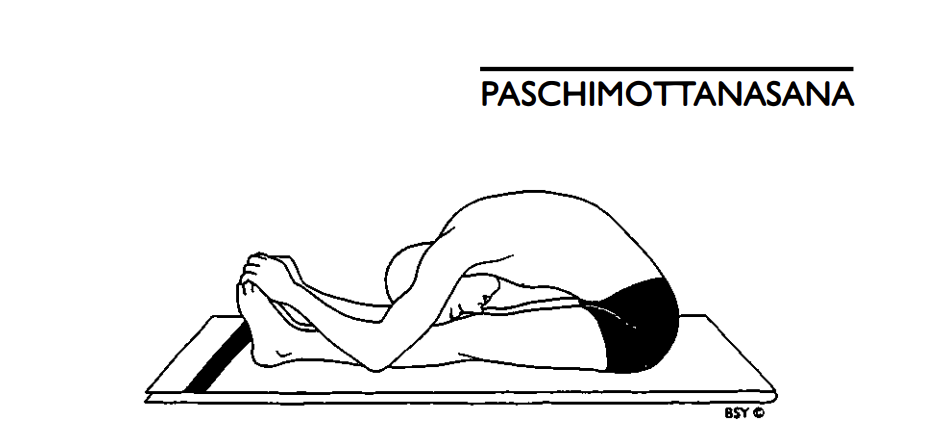
If you open up a hatha yoga text like Asana, Mudra, Pranayama, Bandha, or Nithyananda’s Shastra Pramana, you will find that each asana has a chakra associated with it. The student is instructed to put their attention on that chakra while holding the asana.
I had always ignored these instructions. They didn’t sit right.
But now my personal experiences are bringing me back.
In the samadhi shrine of my great grandfather, a sannyasi disciple of Swami Sivananda, I connected to the idea that the asanas are about subtle micro-adjustments of the body that can strengthen or weaken different states.
Being not-so-sensitive myself, the very un-nuanced, unspecific, state I aim to strengthen is one of spaciousness. The spaciousness that feels like the black space we’re confronted with when closing our eyes. To strengthen it means to grow it and thicken it.
As I set my intention to strengthen this state with each asana I do, I find my awareness naturally resting into certain chakras of the body. I sense, faintly, in an energetic-imaginal way, that a fountain of energy is spouting from the chakra, splayed like this:
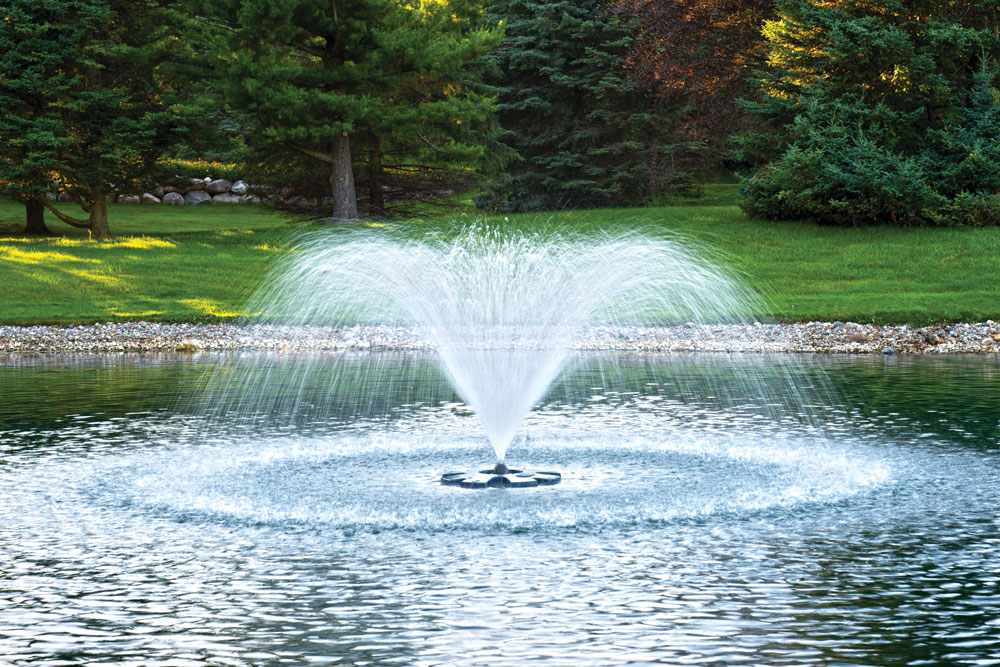
then falling back into the pond, which is the rest of the black space.
The chakra I rest on is not always the same as the book. For example, in my headstand, my attention goes to the muladhara, rather than the sahasrara. But sometimes it is. For shoulderstand, I corroborate the vishuddhi.
I need to practice much, much, more to get anywhere near the bottom of this. But in the meantime, I wanted to share this finding as citizen-science yoga research.