I was in a coffee shop in Hayes Valley, slouched asymmetrically over my laptop, fiddling with the yellow man on Google Earth, earnestly determining what it would be like to live in Kazakhstan, when I saw an extremely jacked man ordering a bagel. His traps were a perfectly proportioned triangle, bulging behind his neck. His spinal curvature was straight out of an anatomy textbook. As I covertly ‘mired his ideal form, I became hyper-aware of my own sloppy, collapsing meatsack. My fascia was mangled, my traps were misaligned, and the crookedness of my spine mirrored the crookedness of my virtue. Then, thoughtlessly inspired through this jacked man’s unknowing transmission, I straighted my spine, flexed my traps, and mimicked his posture.
We learn a lot through mimicry. It applies 10x for children.
Ideally, children grow into healthy, magnanimous adults by mimicking healthy, magnanimous adults. Less ideally, children mimick average, troubles adults. Even less ideally, children mimick goofy cartoon characters, like Spongebob and Patrick Star. And even less ideally, children mimick archetypes of troubled, despondent, teenagers they see in movies.
Back in middle school I mimcked the Sleepy Kid archetype. The Sleepy Kid Archetype thinks being tired is cool. What wasn’t cool was school, learning, authority, discipline. And so the coolest thing one could do while trapped in any authoritative environment is to reject it by slouching onto your desk, cheek resting on your arms, hood up, passing the day in a hazy fantasy of being somewhere else.
And so I spent my formative years slouched and daydreaming. There are many reasons this archetype attracted me, but that’s an investigation for another time. What’s relevant now is that I don’t want to be the Sleepy Kid anymore. I’d want to be the Jacked Nobleman. Maybe not in all aspects. But at least posturally.
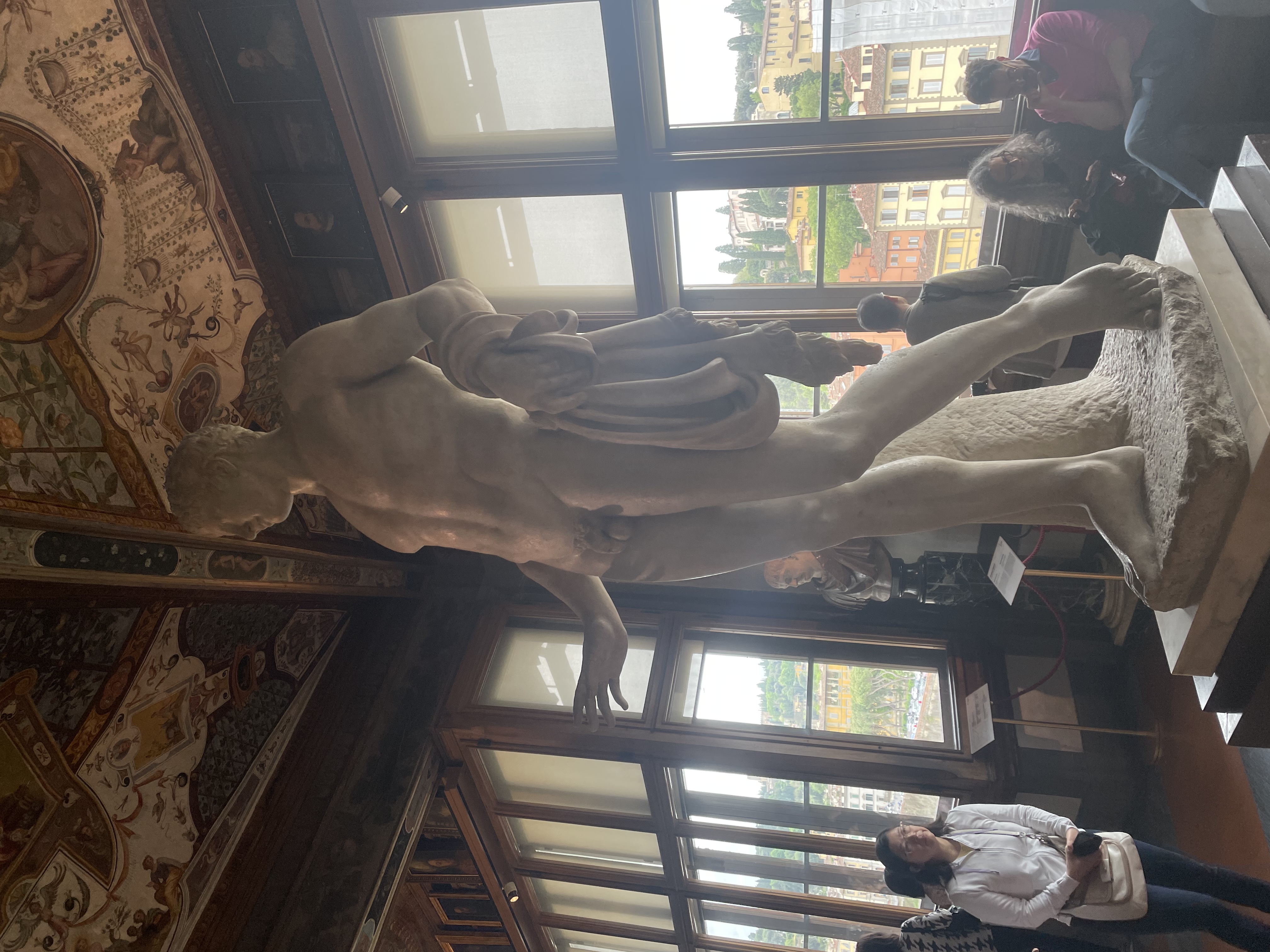
A few weeks later I went to the Uffizi gallery in Florence. The gallery is full of jacked guys with noble sentiments and flawless biomechanics:
I had another transmission experience, where I saw this guy’s (Caesar? idk) bulging oblique:
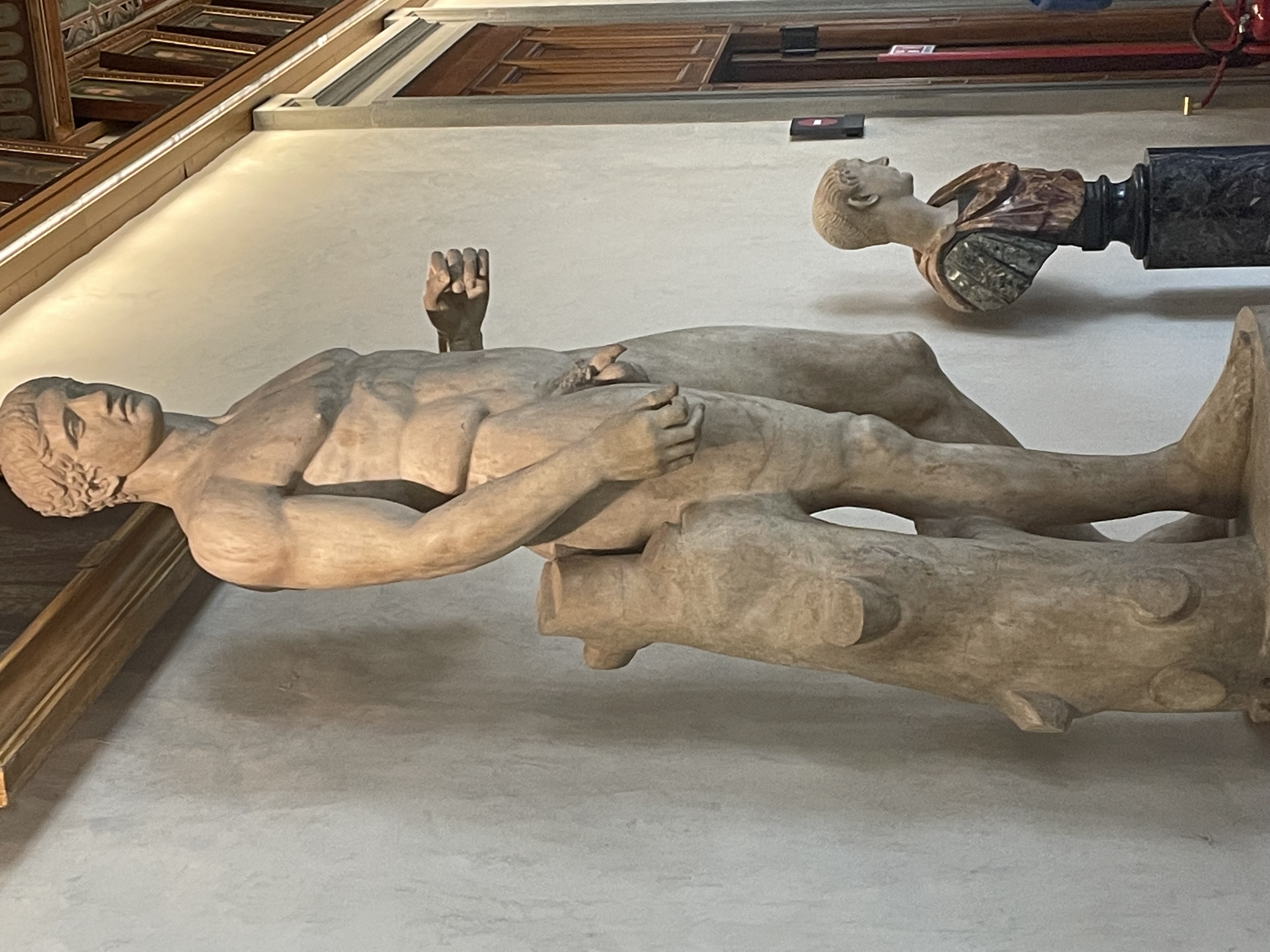
Prior to this, I didn’t even know there existed a muscle in that location in my body. But I am now doing bicycle kicks with the expression of calm determination (an expression also mimicked from Greek sculpture). My nervous system has been educated.
It makes me wonder: was cultural education a conscious function of art in Greek society? Like, maybe they scouted the noblest people and carved them into stone, so their appearance, feeling, and stories were preserved and transmitted to the rest of their society, who then mimed it.
What a culture chooses to capture and glorify represents its tastes. What are our tastes today? In high fashion, it’s all Sleepy Kids. Designer mannequins are all slouched. Here’s a one from a Prada store in Rome:
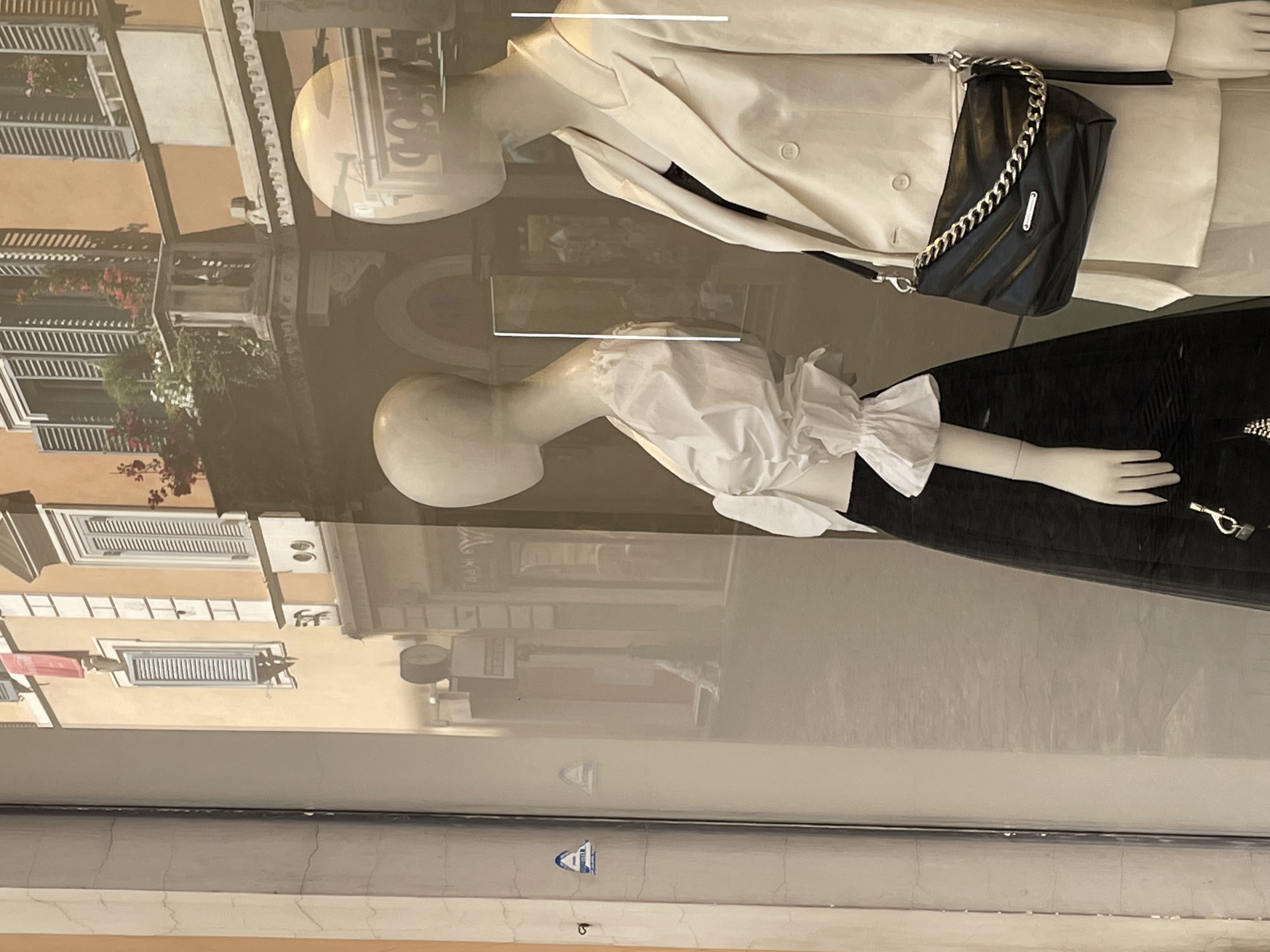
I gotta admit, she does looks cool. I still have a soft spot for sleepiness. But we must concede that this bad for her cerebral blood flow and organ functioning. If she had a cigarette, she’d look even cooler. Some desinger mannequins had cigarettes. But of course, that’s even worse for your health, and probably your soul.
Our fashion elite determines much of our physiological desires. But their tastes are unhealthy. Putting size 0 models on a pedestal gave millions of girls eating disorders. Why did we go from glorifying perfect health to glorifying aesthetic sickness? I don’t know, but I’m fascinated with the question.
I think back to the movement from Renaissance to Baroque art. The Renaissance revived Classical restraint, sobriety, and harmonious proportions. The Baroque went “wild” (by 17th century standards) and maximalist for marketing reasons. Have we too grown tired of balance? In a dulled culture, maybe the stimulation of poison and empty excitement sells better than the peace of balance.
Things are getting better now that Instagram is clouting “Girls Who Eat”. But still, none of these intense fluctuations of beauty standards are conscious.
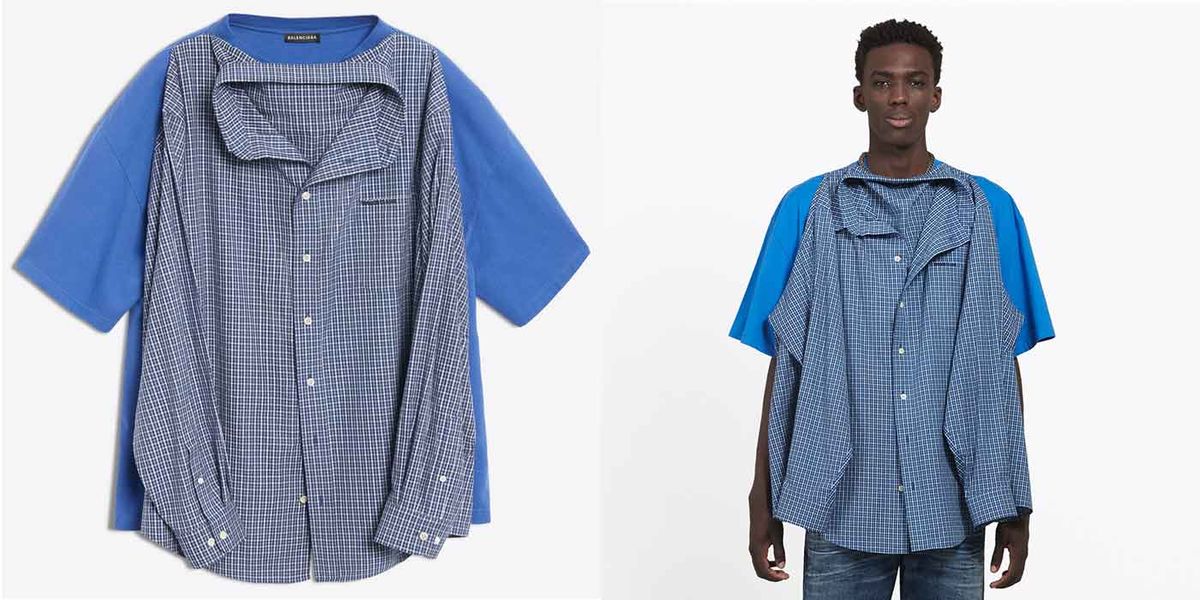
Unlike the Greeks, we don’t have a assembly of Ergot-pilled visionaries who are guiding the impressions we receive. Now, the individual, especially with AI image generation, has near unlimited choice. But in most cases, this just means the algorithms are in the driver seat. People are fucked up in the Waymo with no idea what their destination is. Infinite feeds flip the lizard brain on and a few minutes later they start genuinely wanting the $1300 Balenciaga “T-shirt Shirt”: