My favorite show growing up was The Office. I related to Dunder Mifflin era Jim.
There’s a great description of the "Jim” archetype in Christopher Lasch’s, The Culture of Narcissism:
when social routines, formerly dignified as ritual, degenerate into role playing, the worker— whether he toils on an assembly line or holds down a high-paying job in a large bureaucracy— seeks to escape from the resulting sense of inauthenticity by creating an ironic distance from his daily routine. He attempts to transform role playing into a symbolic elevation of daily life. He takes refuge in jokes, mockery, and cynicism. If he is asked to perform a disagreeable task, he makes it clear that he doesn't believe in the organization's objectives of increased efficiency and greater output.
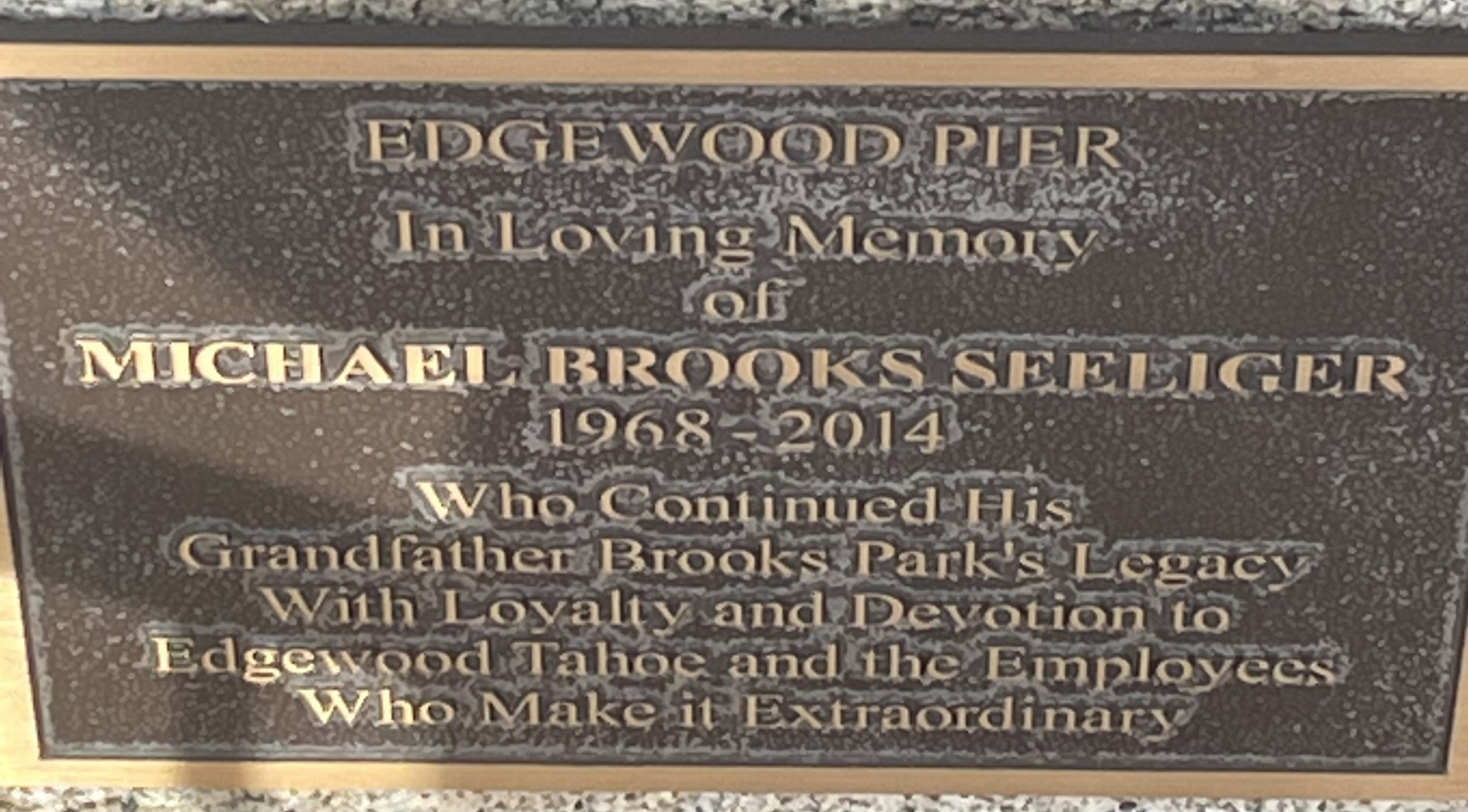
I used to live in this mockery. In the “Jim mindset”. Outside a fancy hotel in Lake Tahoe, I saw this placard:
Old me would have mocked this. This guy just sells luxury hotel rooms to rich people. He just accumulates capital, collects rent, and makes minimum wage workers move bags around clack at clunky invoice software. And yet this placard makes it seem like ‘Edgewood Tahoe’ was some grand and transformative movement, like a loving community center that served meals to orphans and refugees.
In the mode of ironic detachment, most of civilization looks like people running back and forth jumping through hoops to stay alive and pass the time until they die, a short flailing of limbs, piss, spasming vocal chords, mashing keyboards, throwing ink on dead trees.
But now I see things a bit differently. The Office is not just about ironic detachment. It’s not just satire. It is full of life and heart. That’s why it’s such a great show. The paper company is a container for the growth, change, and transformation of all those who allow it to.
Is the Edgewood Tahoe the world’s most noble gift-economy business? Probably not. But does that mean it’s all bad? Does that mean there’s no heart in it? Surely the truth is somewhere in between critique and acceptance.
Wherever there is care, there is life. And many places like the Edgewood carry tons of care.
Even Jim cared. He didn’t care about paper, but he cared about Pam. The benefit of not caring, the “conservation” of energy or time or emotion, is not a benefit. It’s a kind of death. I’d rather be Dwight than Stanley. God rewards the earnest.
(See also: Micromanagement)